CELPIP Speaking · free template
CELPIP Speaking Task 5: Comparing and Persuading
CELPIP Speaking Task 5 shows you two options - two venues, two vehicles, two apartments - and asks you to choose one and persuade another person it is the better choice. You get 60 seconds to prepare and 60 seconds to speak.
This is the one task where comparison is the content: the rater wants comparatives, contrast words and persuasive appeals aimed at the listener. The framework below structures the pitch - your pick, two comparisons that favour it, and a direct closing appeal.
- Preparation
- 60 seconds
- Speaking time
- 60 seconds
- Format
- Choose one of two options and persuade someone
The template
Concede
Describe the option you are rejecting fairly.
“The downtown apartment is genuinely closer to your office.”
Choose
Commit, and name the criterion that decided it.
“Even so, I would take the suburban one, because of the second bedroom.”
Press
Close with the consequence of not choosing it.
“Without that room you will be paying to move again within a year.”
A real prompt, with model answers
This is a free exercise from the Speaking Task 5 question bank, shown with its scored model answers - the same responses learners compare against after submitting. Read the prompt, try answering with the template above, then see how the three levels differ.
Speaking Task 5 prompt
A Delivery Bike for the Courier Team
You and a co-worker run a small parcel courier service in downtown Vancouver, and your team needs one new delivery bike for its daily routes. You find two suitable options. Using the pictures and information below, choose the option that you prefer. In the next section, you will need to persuade your co-worker that your choice is the better choice.
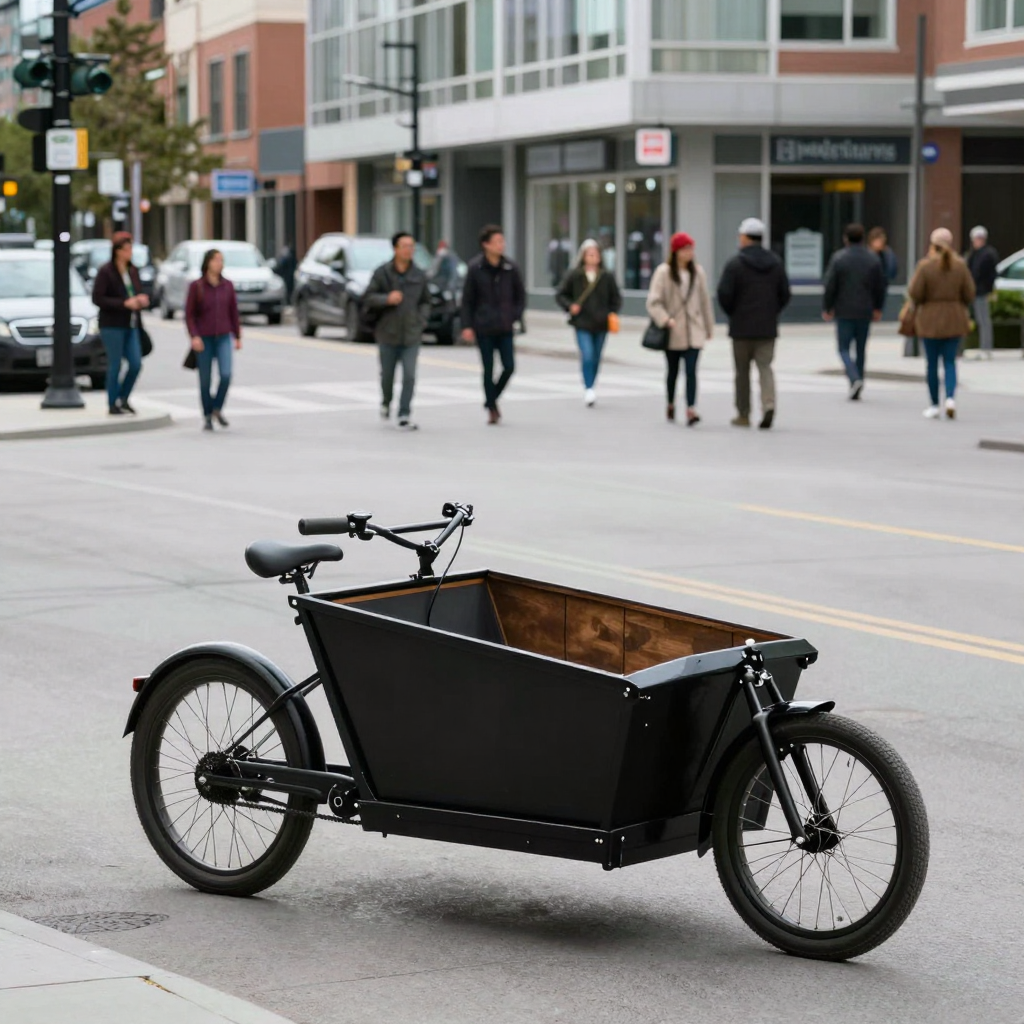
Option 1: The cargo bike
- Price: 3,200 dollars
- Front box holds a full day of parcels, about 120 stops
- Slow through heavy traffic, but no return to the depot at midday
- Lockable weatherproof box lid and a wide stand for loading
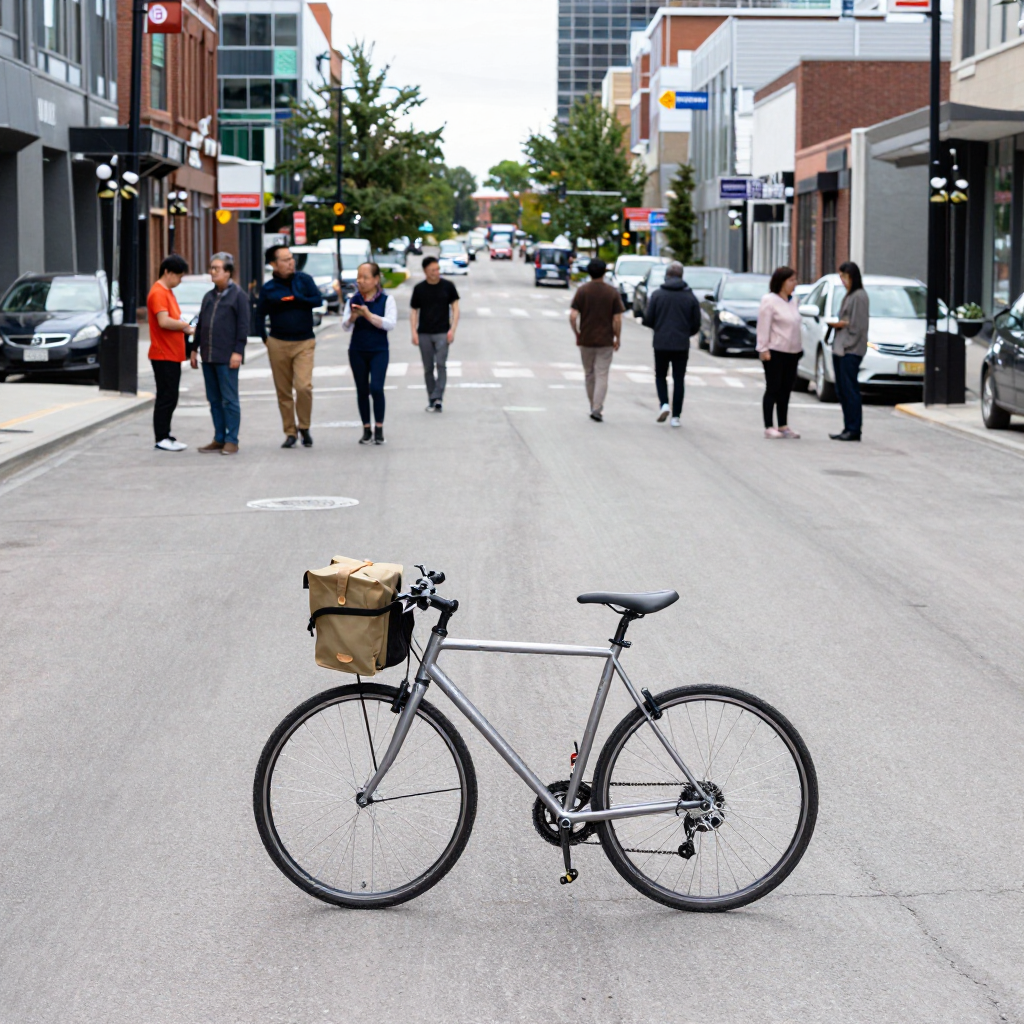
Option 2: The road bike
- Price: 1,400 dollars
- Rear panniers hold about half a day of parcels, roughly 55 stops
- Quick through heavy traffic, but one return to the depot at midday
- Panniers fold flat and the frame is light enough to carry up stairs
Now, persuade your co-worker that your choice is the better choice.
Basic responseestimated CELPIP level 5
Okay, so, um, I choose the cargo bike. It is more expensive, three thousand two hundred dollars, but I think it is better for our work. The box is big. It carry all the parcels for one day, so the rider don't go back to the depot in the middle of the day. That save a lot of time.
The road bike is cheap and fast, yes, but only half a day of parcels. So the rider must ride back and load again. Maybe that is one hour every day, and one hour is money too.
Also the box has a lid with a lock, so parcels stay dry when it rain, and in Vancouver it rain a lot. Downtown the cars are slow anyway, so speed is not so important for us. This is why I prefer the cargo bike.
What works: Makes a clear choice and supports it with two relevant points drawn from the bullets, including a sensible local detail about rain.
What holds it back: Frequent verb form errors and very simple sentence patterns, with the counterargument only lightly answered.
Good responseestimated CELPIP level 8
I'd go with the cargo bike, and here's why. Yes, it costs more than twice as much up front, but that's a one-time cost and we'd keep it for years.
The real difference is the midday trip. With the road bike, the rider has to come all the way back to the depot to reload every single afternoon. That's time we're paying for and can't bill anyone for. The cargo bike carries about a hundred and twenty stops in one load, so the rider goes out once and stays out.
I know you like how quick the road bike is through traffic, and downtown that's a fair point. But most of our delay isn't the bike, it's lights and loading zones. And the box lid locks, which matters when we're leaving parcels on the bike for a minute.
So I think the cargo bike pays for itself pretty fast.
What works: Well organized, opens with the position and builds to the strongest argument while directly acknowledging the other option's advantage.
What holds it back: Some phrasing is repetitive and the closing point about the lock is added briefly rather than developed.
Excellent responseestimated CELPIP level 11
Look, I know the road bike is the easy call. It's fourteen hundred instead of thirty-two hundred, it's quick through traffic, and you can carry it up the stairs at the depot. I get the appeal. But I still think the cargo bike is the smarter buy for us.
It comes down to that midday reload. Half a day of parcels means the rider is back at the depot every afternoon, and by the time they've ridden in, loaded up and ridden out again, we've lost the better part of an hour, every day, on a route we're already tight on. The cargo bike takes the whole day out in one load, about a hundred and twenty stops, so the rider just works the route.
And honestly, speed downtown is a bit of an illusion. Nobody's held up by their bike between Hastings and Robson, they're held up by lights and loading zones. What actually slows us down is doubling back.
Add the locking weatherproof lid, which we'll be glad of by November, and I think the extra cost is back in our pockets inside a year.
What works: Natural spoken idiom and varied structures, with a strong concession-and-rebuttal structure that dismantles the other option's main selling point.
What holds it back: Opens with a fairly long summary of the rejected option before stating the position, which delays the main argument.
Put the template to work
Reading a structure is the easy half. Rehearse Speaking Task 5 against the real clock with exam-style prompts and instant feedback.
Practice Speaking Task 5Speaking Task 5 - common questions
- Do I lose marks for picking the "worse" option?
- No option is scored as correct. Pick the one you can compare more fluently - the one whose advantages you have vocabulary for. The persuasion language is what is being measured, not your judgment.
- Who am I supposed to be persuading?
- The prompt names a person - often a family member or friend with stated preferences. Address them directly ("I know you care about…") and aim at their priorities. Answers that ignore the named listener read as generic and lose the persuasive framing the task is testing.
- What language should I rehearse for Task 5?
- Comparatives and contrast: "far more spacious than", "not nearly as expensive as", "whereas", "on the other hand". Add one superlative and one concession ("Although the hall is smaller, …") and the comparison toolbox the task exists to elicit is fully on display.